

Why Participate
- Access to New Treatments: Gain early access to innovative treatments and contribute to the development of new medical therapies.
- Indepth healthcare monitoring: Receive free health screenings, lab tests, imaging, and exams, providing valuable insights into your health.
- Contribute to Medical Advancements: Play a crucial role in advancing medical knowledge and treatments, helping to improve public health.
- Safety and Volunteer Well-being: Enjoy the assurance of a safety-focused environment, with the option to withdraw at anytime for your comfort.
- Eligibility Matters: Not all individuals will qualify for every study; eligibility is determined through screening.
- Reimbursement for Time and Travel: Reimbursement may be available when provided by the study sponsor.
- Privacy and Voluntary Participation: Privacy safeguards followed and participation remains voluntary.
Join a Trial
Help bring novel medicines to the world by participating in one of our clinical trials.
*All of our trials are performed in CHANDLER
Current Studies
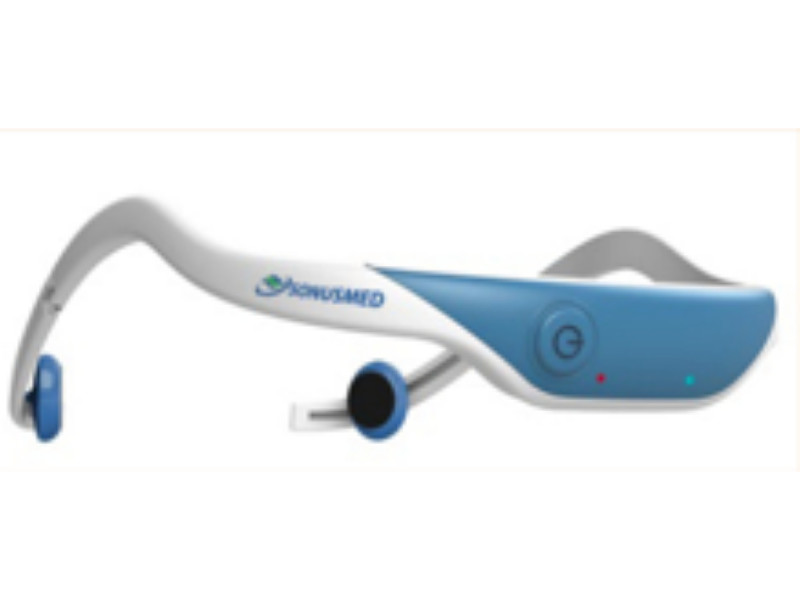
Sonusmed Hypertension Study (HIGH BLOOD PRESSURE)
Sponsored by SonusMed
- Adults aged 21-75 with hypertension (≥140/90 mmHg)
- Diagnosed with high blood pressure on at least three separate occasions
- NOT taking more than one antihypertensive medication
- NOT using weight loss medications (e.g., Ozempic, Mounjaro)

Chronic Low Back Pain Study (Obesity/Overweight)
Sponsored by Eli Lilly
(GZQD |LBP | Triumph-7)
- Adults 18+ with chronic low back pain and BMI 35 or higher
- Pain stays in lower back or upper legs, not from other causes
- Tried and failed to lose weight by dieting
- No recent injections, weight loss meds, major weight change, or diabetes

Early Alzheimer’s Study
Sponsored by Annovis
- Adults 18+ with chronic low back pain and BMI 35 or higher
- Pain stays in lower back or upper legs, not from other causes
- Tried and failed to lose weight by dieting
- No recent injections, weight loss meds, major weight change, or diabetes


Menstrual Migraine Study
Sponsored by AbbVie (Mosaic)
- 18 years or older
- At least 1-year history of migraine with or without aura
- Regular menstrual cycles
- Less than 15 headache days per month on average


Episodic/ Chronic Migraine Study
Sponsored by Ipsen (Meranti)
- Must be 18 or older with a history of migraines for over 12 months
- Must have fewer than 15 headache days per month and six or more migraine days
- No recent use of Botox, certain migraine medications, or opioids

Upcoming Studies
- Acute Treatment of Migraine Attacks During the Perimenstrual Period Study
- Early Cognitive Decline Study
- Acute Treatment of Migraine Attacks Study
- Xeomin? for the Prevention of Chronic Migraine Study
- Xeomin? for the Prevention of Episodic Migraine Study

Migraines

Multiple
Sclerosis

Painful Diabetic Neuropathy

Parkinson’s
Disease
Sign Up Form
Thank you for your interest in participating in one of our clinical trials. See if you may qualify by answering a few short questions. By filling out the interest form below, you consent to being contacted by our patient enrollment specialists via phone, text, or email with more information.
FAQs
Everything you need to know
What is a clinical study?
- Research studies that evaluate the safety and effectiveness of new medications in humans.
- Before human testing, these potential treatments undergo rigorous lab animal testing to verify safety.
- They are closely regulated by the US Food and Drug Administration (FDA). FDA approval is required for new treatments, ensuring they meet stringent quality and safety standards before public availability
Why should I join a clinical study?
- In-depth Healthcare Attention: Benefit from closer health monitoring and personalized care from healthcare professionals throughout the trial.
- Access to New Treatments: Gain early access to innovative treatments and contribute to the development of new medical therapies.
- Complimentary Health Assessments: Receive free health screenings, lab tests, imaging, and exams, providing valuable insights into your health.
- Contribute to Medical Advancements: Play a crucial role in advancing medical knowledge and treatments, helping to improve public health.
- Safety and Volunteer Well-being: Enjoy the assurance of a safety-focused environment, with the option to withdraw at any time for your comfort.
Can anyone participate in a clinical study?
Yes, however, specific requirements and eligibility criteria exist for participating in clinical trials. Here are some key
things to keep in mind about who can participate:
- Age: There are often age minimums and maximums, depending on the study
- Health status: To be eligible for the treatment, participants must have the medical condition that the treatment intends to alleviate. There are usually criteria around the type and severity of symptoms. Certain other health conditions may also exclude someone from participating if it could impact results
- Gender: Some trials are limited to a single gender, especially early-stage trials testing drugs that interact differently with men vs. women
- Prior treatments/therapies: Another criterion often considered is whether someone has undergone previous treatments related to the condition
What are clinical trial benefits and study?
Benefits include:
- Active participation in health care
- Difficult to access and often costly treatments
- Free testing (i.e. imaging, bloodwork, exams)
- Assisting others by participating in trials for potential approval and public availability
- Side effects, both known and unknown
- Study procedures
- Treatment ineffectiveness
- Treatment is not practical for all patients
Is there any cost to me or my insurance company to participate?
Participating in a legitimate clinical study is free, and clinical studies do not require you to have health insurance in order to take part. While every effort is made to ensure that study-related costs are covered by the sponsor, unforeseen expenses may arise. For instance, if you experience side effects that require medical attention outside the study protocol, these costs may not be covered by the study. You are encouraged to discuss any questions or concerns with your health insurance provider and the research team before enrolling in the study
Do I get compensated if I participate in a clinical study?
Individuals who participate in clinical studies may receive compensation for their involvement. Compensation is provided for the time and effort outlined in the informed consent form, and the amounts can vary based on study length, required procedures, and participant needs. The sponsor sets the compensation amounts. Studies may also offer free medical checks, laboratory tests, and study medications. The current compensation system is not intended to incentivize taking personal risks, and any pressure to participate for payment is against ethical standards. Before enrolling in a study, the research site will disclose the compensation available for time and travel. Compensation should never be the main reason for participation; the primary goal should be helping to advance medical research.
What should I consider before enrolling in a research study?
All potential volunteers should learn as much as possible about their disease and the clinical study they are considering. Participants are encouraged to ask questions of the research staff about the study, the care they can expect while participating, and the potential risks.
The following questions may be helpful to discuss with the research team before enrolling:
- What is the purpose of the study?
- Why do the researchers believe the experimental treatment will be effective?
- Has the treatment been tested previously?
- What types of tests and experimental therapies will be used?
- How do the study’s potential risks, side effects, and benefits compare to my current treatment?
- How will my illness and the effectiveness of the treatment be tracked during the study?
- How will this study affect my daily life?
- How long will the study last?
- Who will pay for the experimental treatment and other study-related costs?
- Will I be compensated for my time, travel, or any additional expenses?
- Will I receive the study results, and if so, when?
- Who will be responsible for my healthcare during the study?
- Whom should I contact on the study team if I have questions or concerns during participation?